
Coding Rights - Annual Report 2025

Coding Rights - Annual Report 2025

HACKING PATRIARCHY SINCE 2015

Coding Rights is a feminist organization that contributes to the debates about the development, implementation and regulation of technologies from a collective, transfeminist, decolonial, and antiracist perspective of human rights.
We utilize creativity and hacker knowledge to stimulate imaginaries and actions that challenge power inequalities. We act locally to have a global impact through a network of partner organizations, collectives, and inspiring thinkers.
We believe in advocating for a truly participatory democracy and work towards bridging the gap between institutional politics and the discussions, reflections, and expressions that take place within social movements and activist circles.
Our activities and expertise include research; policy advocacy; creative and visual storytelling; development of tech tools; digital care and technopolitics training; design of methodologies and facilitation of creative processes.

RESIST

Uncovering and challenging oppressive structures through research and advocacy

CONNECT

Building solidarity across movements through community building and storytelling tools

IMAGINE

Imagination as a living methodology, rooted in resistance struggles and translated into tangible strategy

AREAS OF WORK IN 2025

SOCIAL ENVIRONMENTAL JUSTICE, CLIMATE AND TECHNOLOGY

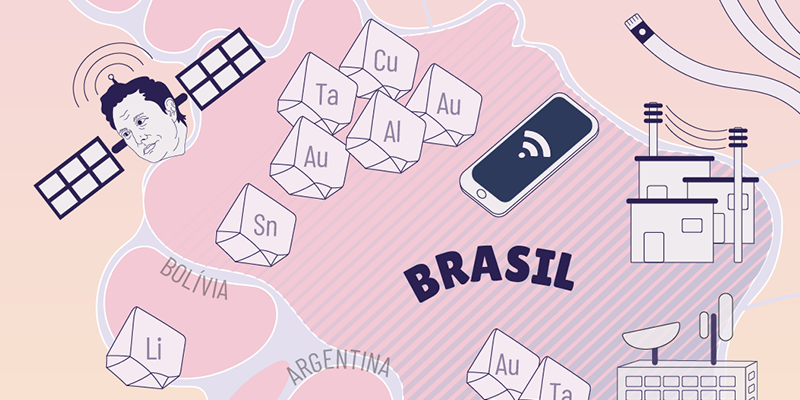
Digital technologies are often presented as immaterial and as ready-made solutions to the climate crisis. But the cloud has a body: data centers consume astronomical amounts of energy and water, the internet produces mountains of electronic waste, and the mineral extractivism that feeds our devices devastates territories and communities across the Global South. Behind the promise of innovation, these infrastructures concentrate power, reproduce colonial and extractive relations, and shift their costs onto the peoples least responsible for the crisis. This area of work investigates those impacts in concrete territories, disputes public policies on data centers and connectivity, and fosters practices that reconnect technology with the land, ancestral knowledge, and socio-environmental justice.

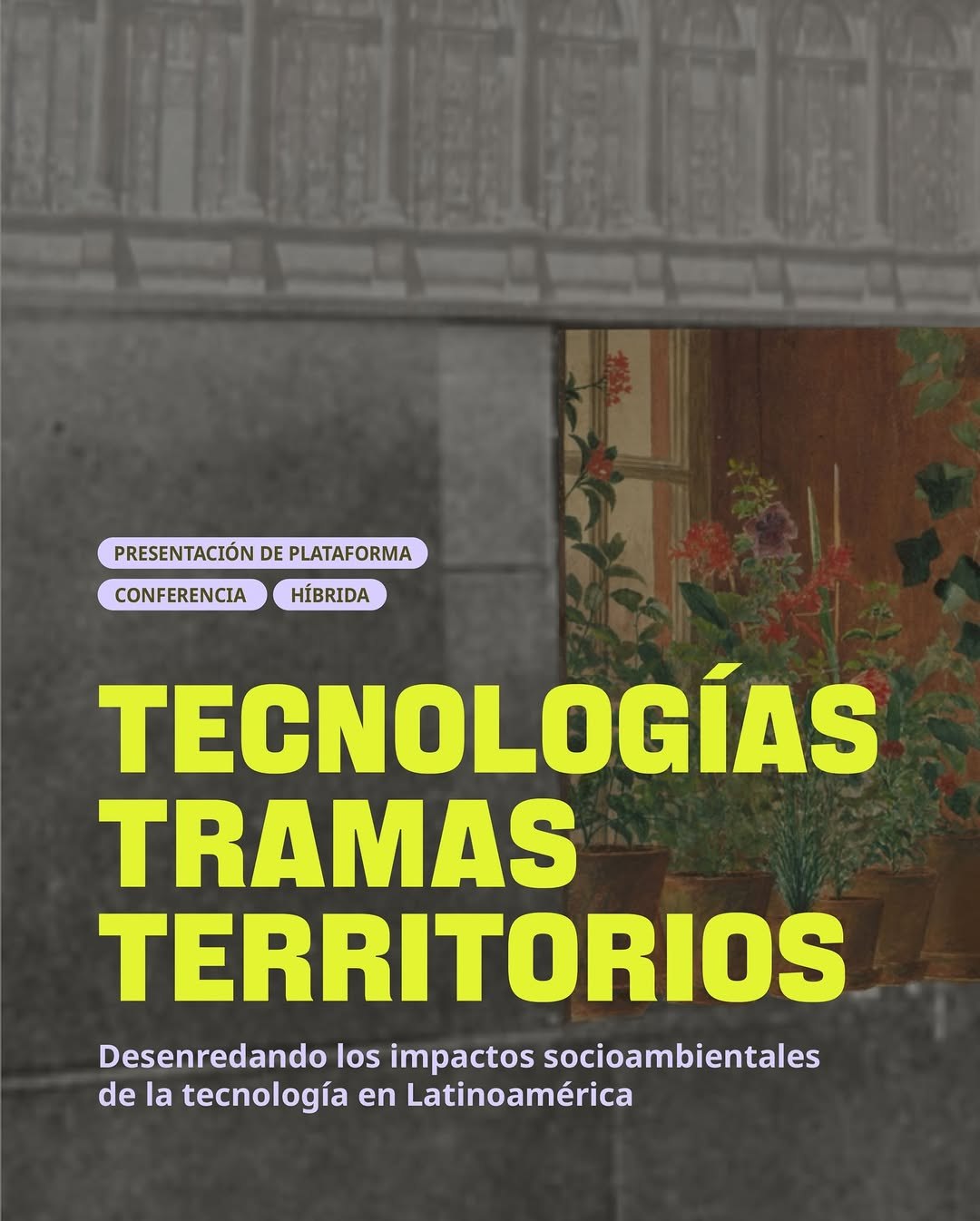
TRAMAS - Tecnologias, Tramas e Territórios

Research and platform

TRAMAS — Tecnologias, Tramas e Territórios

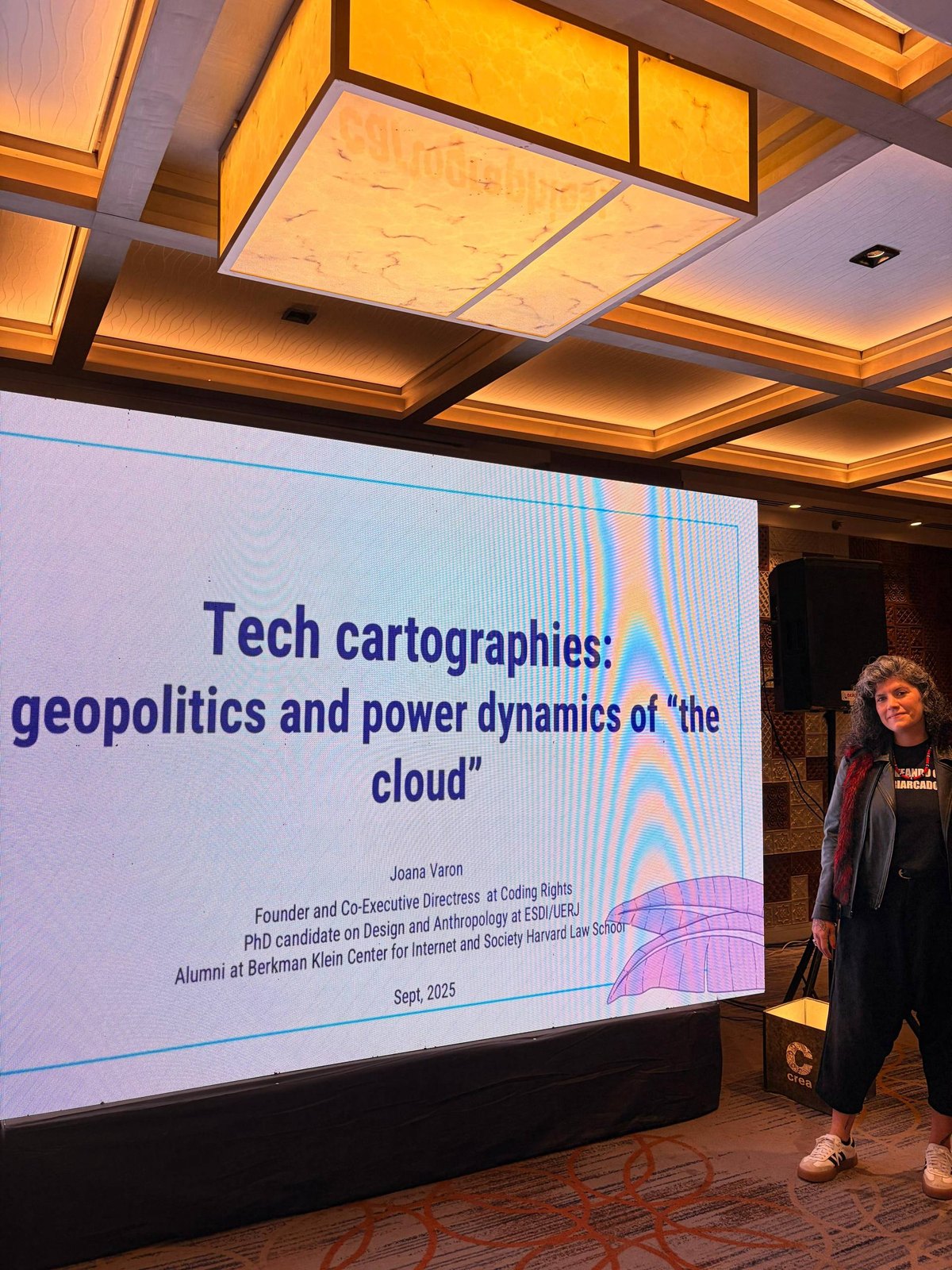
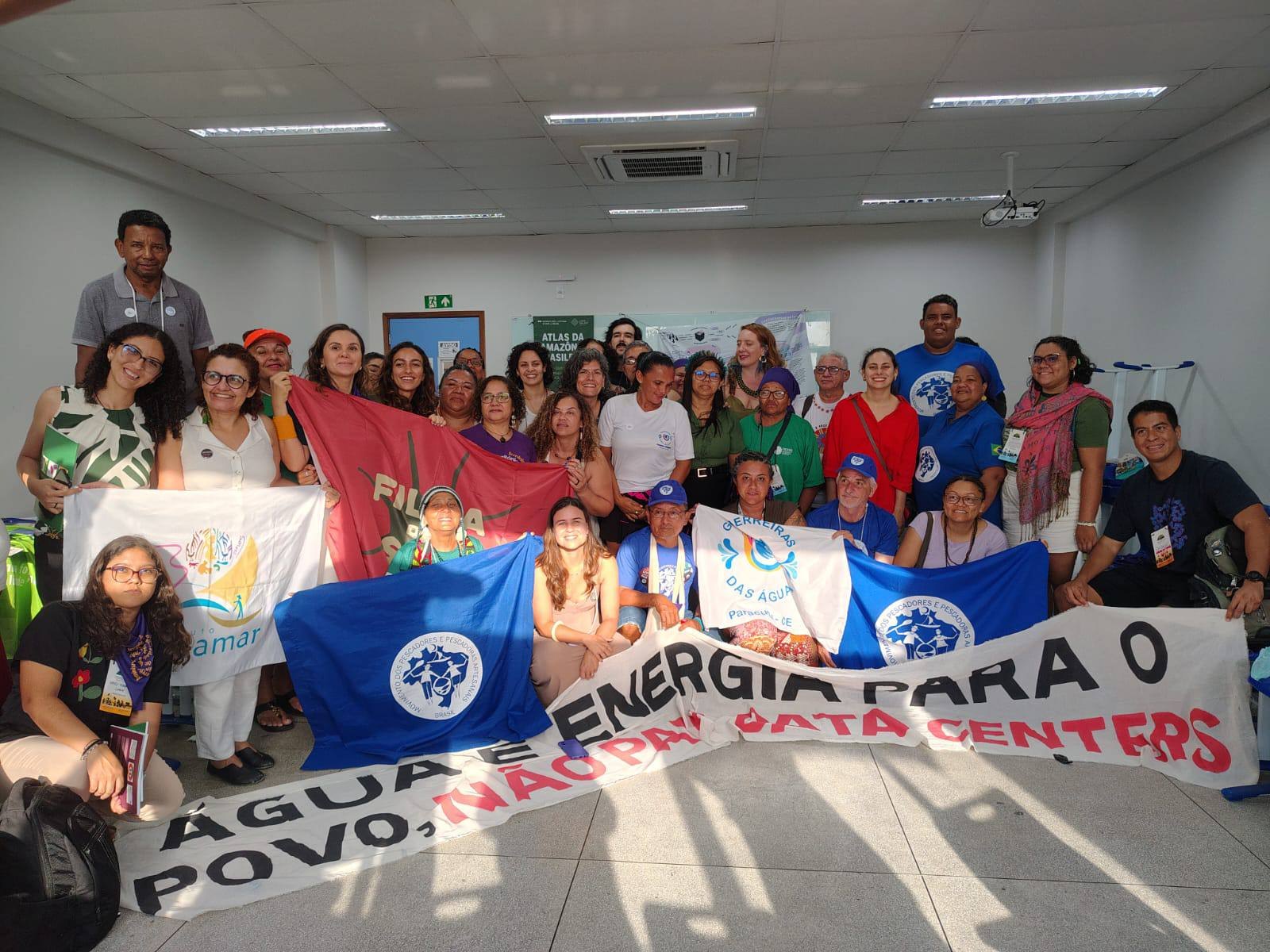
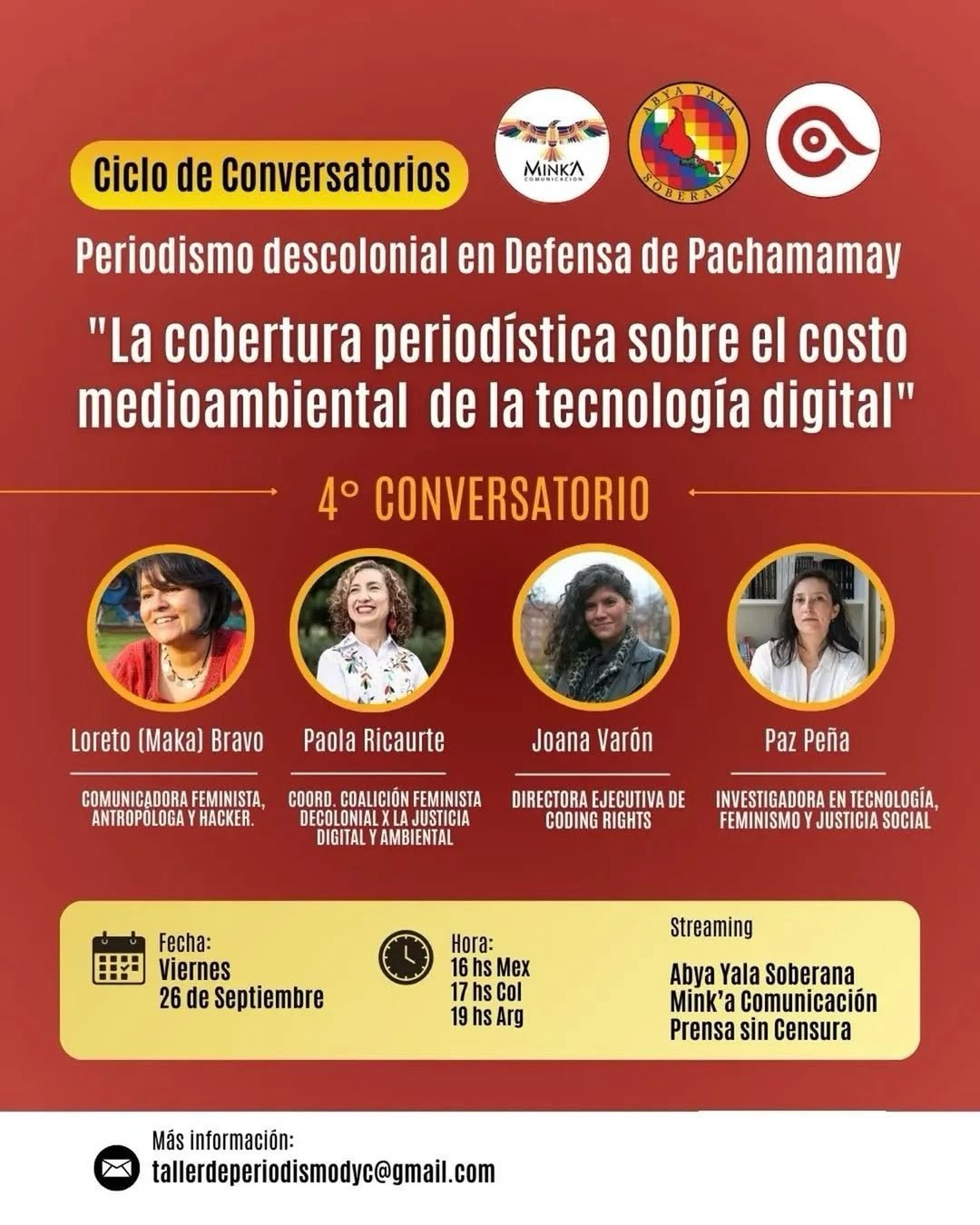
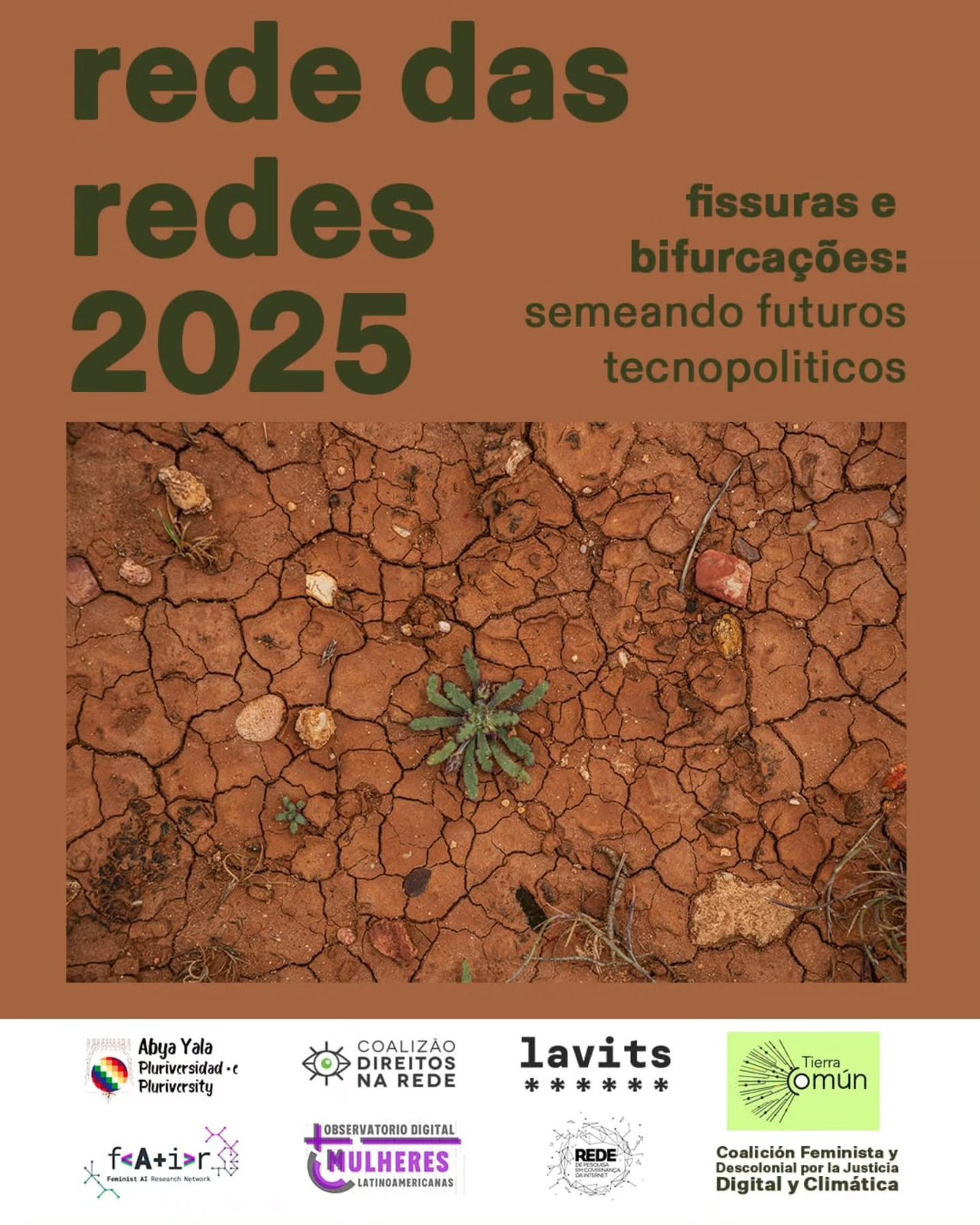
TRAMAS was launched as an action-oriented research project of the Decolonial Feminist Coalition for Digital and Environmental Justice. By examining case studies and testimonies of resistance across Latin America, we aim to show how the digital technology and AI production chain has a wide range of socio-environmental impacts on communities and their territories. The coalition is composed of various organizations and activists from Chile, Brazil, and Mexico. Their work resulted in the publication of four in-depth case studies and in the launch of the platform www.tramas.digital, presented in different activities and countries around the world, reaching diverse audiences from civil society, social movements, researchers, and activists, among them the Global Fund for a New Economy Convening on the Political Economy of AI and Digital Technologies, in Kenya, in the session on socio-environmental justice. The launches, gatherings and COP30 activities of the year are in the events carousel. The project was also featured as an art installation in Kathmandu, Nepal, during Re:conference, organized by CREA.
Access the platform here.
Platform and Workshops: Tech Cartographies Map

Platform and Workshops

Tech Cartographies Map

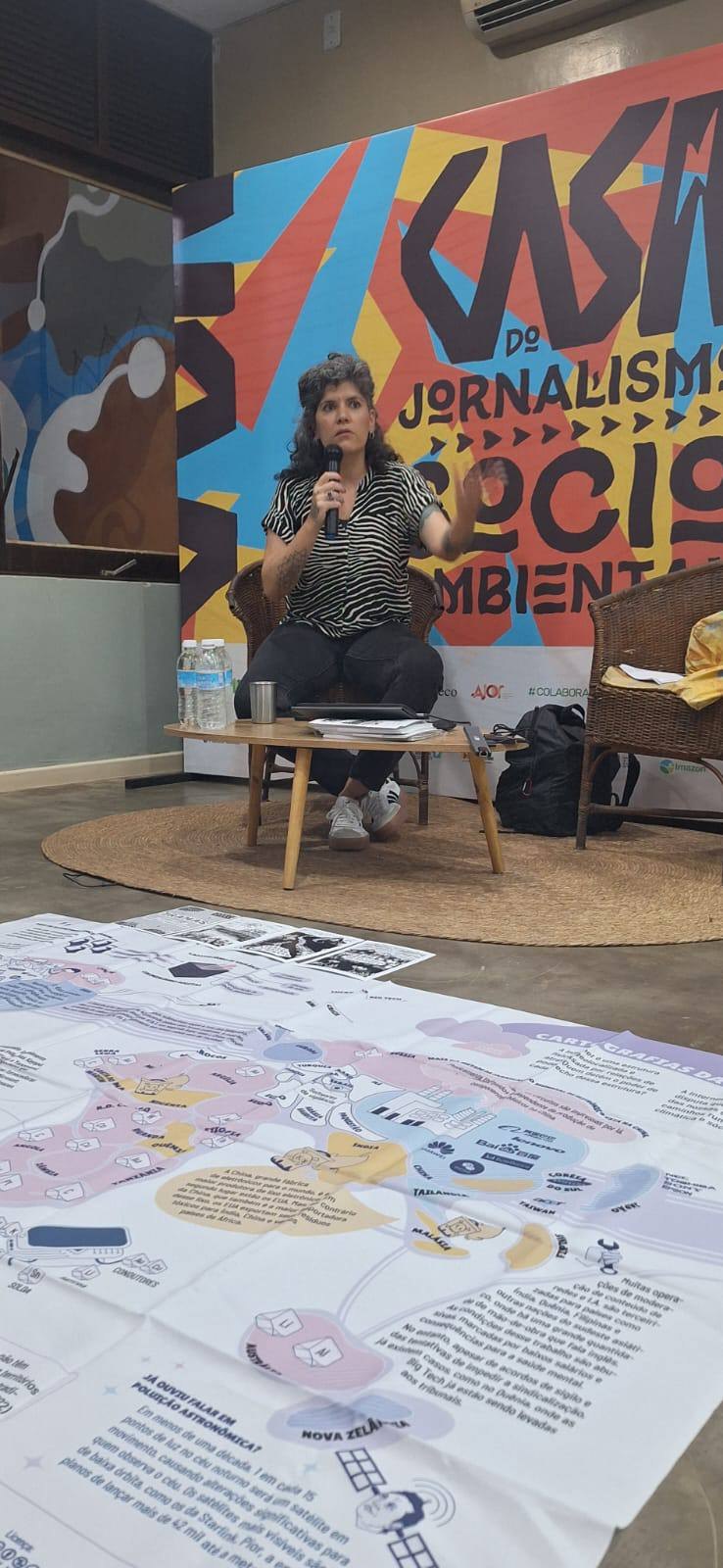
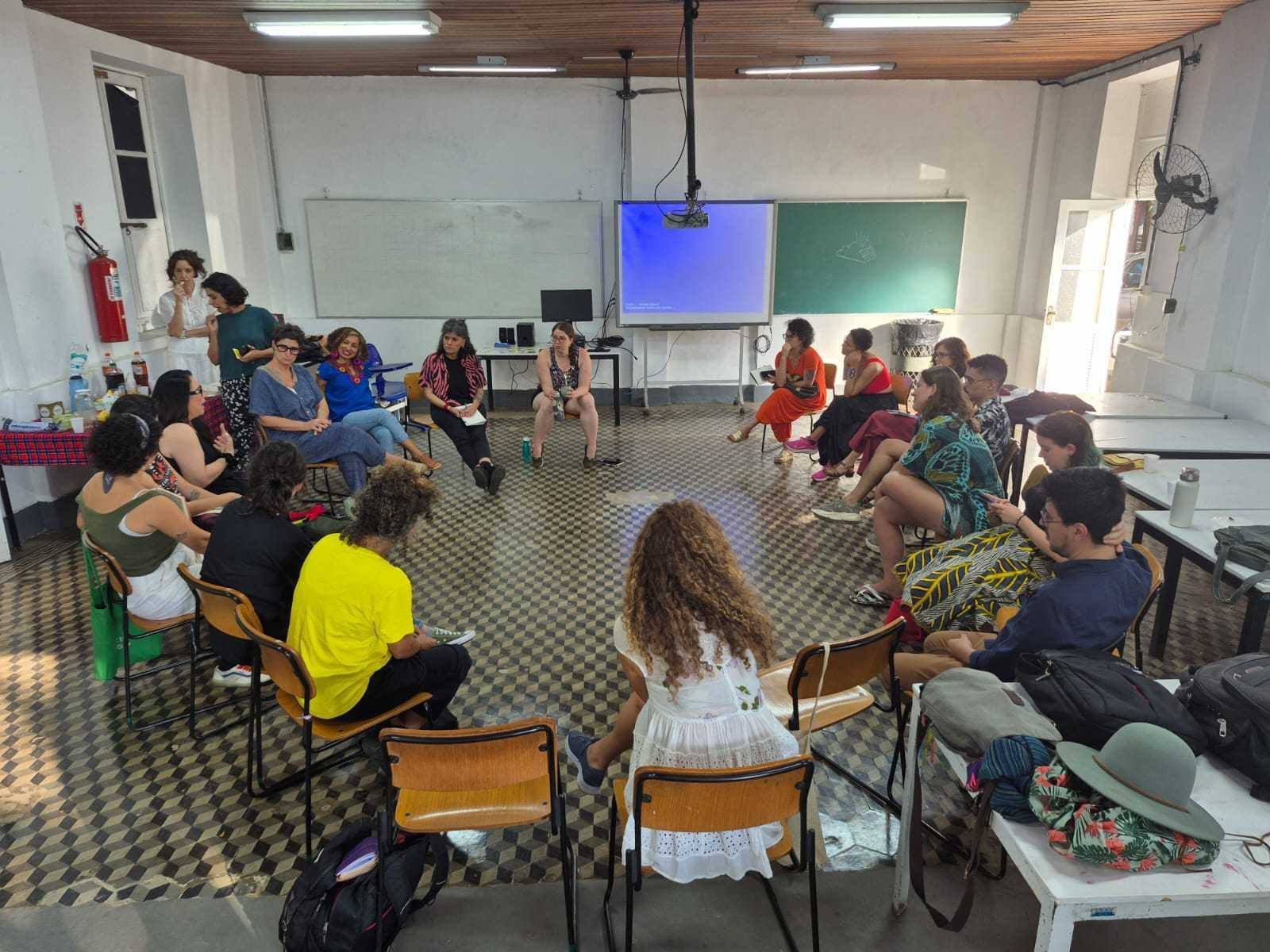
In 2025, the Tech Cartographies Map remained a key tool for dialogue and education on technopolitics in different contexts. The material was explored in a workshop held in partnership with SESC São Paulo, fostering conversations about technology and politics with the general public. It was also used in a workshop during COP30 and the Cúpula dos Povos, in Belém, bringing together a range of activist organizations. The map was additionally used in a workshop in Nepal during the RECONFERENCE event, expanding its international reach. The map also continues to be used by partners as a pedagogical tool in schools and universities in different parts of the world, including the Federal University of Rondônia and the Federal University of Juiz de Fora. We continue to actively foster and support these partnerships as part of our community management work, encouraging new uses of the map in educational and grassroots contexts.

Access the platform here.

Declaração da COP30: a IA compromete a mitigação climática e a transição energética

Advocacy

Declaração da COP30: a IA compromete a mitigação climática e a transição energética

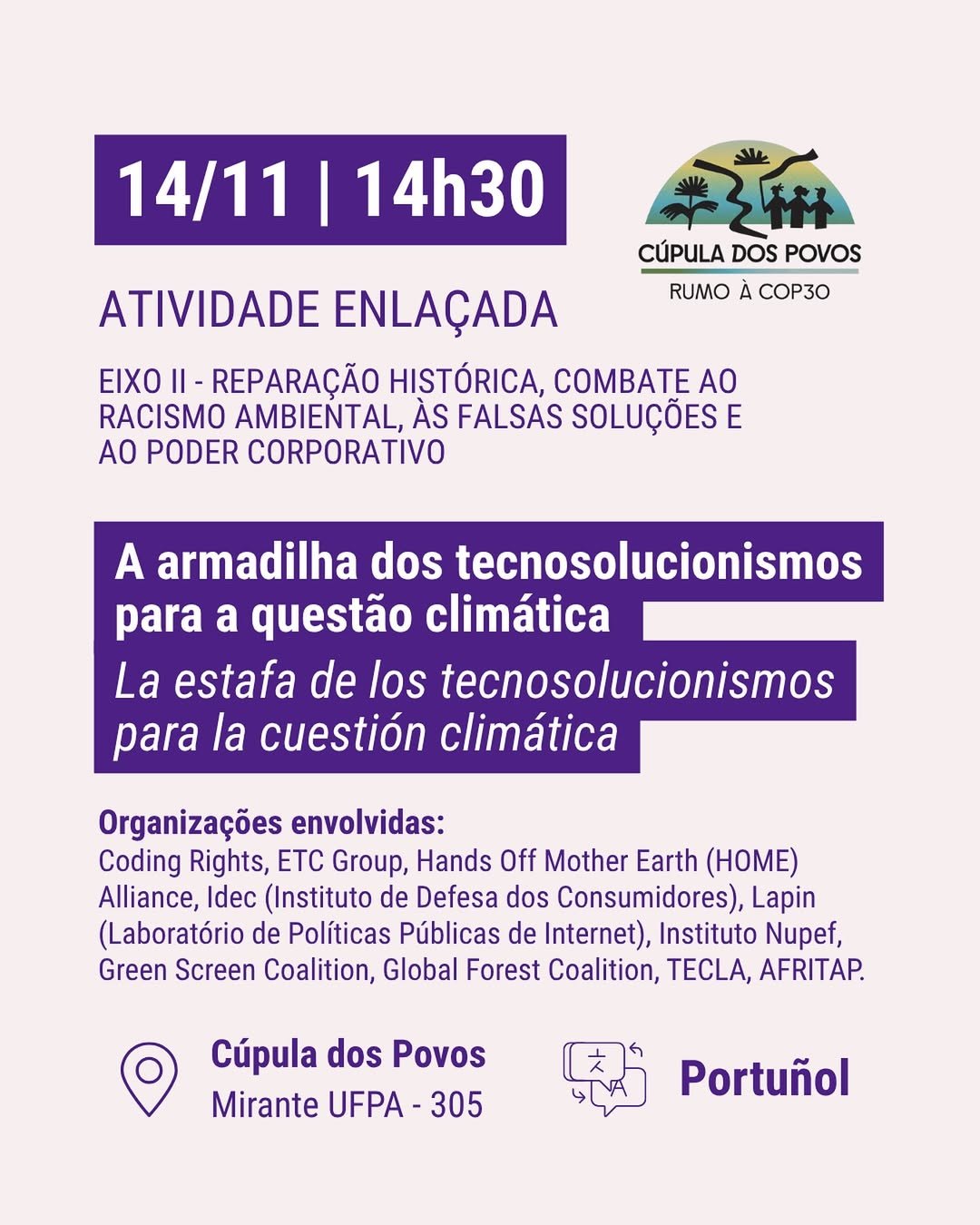
During COP30, Coding Rights joined several organizations in signing a declaration warning that the accelerated expansion of artificial intelligence puts climate mitigation and the energy transition at risk. The declaration was released together with a technical note and signed by Instituto Latinoamericano de Terraformación, Instituto de Pesquisa em Direito e Tecnologia do Recife (IP.rec), Coding Rights, Laboratório de Políticas Públicas e Internet (LAPIN), Instituto de Defesa de Consumidores (IDEC) and Fundação Heinrich Böll.

Read the declaration here.

Contribution to Brazil's National Data Centers Policy

Policy contribution

Contribution to Brazil’s National Data Centers Policy

In September 2025, Coding Rights, together with the Instituto Latinoamericano de Terraformación, submitted a contribution to the public consultation (Tomada de Subsídio) opened by Brazil’s Ministry of Communications on the connectivity and infrastructure axis of the National Data Centers Policy — a strategy that, backed by Provisional Measure 1318/25, channels billions of reais in tax incentives to attract foreign Big Techs and position the country as a “world reference in data storage.” Against the official promise of innovation, jobs, and economic return, the contribution proposes a multidimensional analysis of the policy’s real economic, social, and environmental costs. It argues that data centers are critical infrastructure, and that entrusting the storage and processing of governmental and population data to foreign companies with a track record of international surveillance is a matter of national sovereignty and security; that the promise of jobs is fragile, since maintenance requires minimal labor and hiring concentrates in the construction phase, as the case of Querétaro, in Mexico, shows; and that the intensive use of water and energy — in a country already facing blackouts and water scarcity — can be catastrophic for the targeted territories and their communities. As an alternative, Coding Rights defends building Brazil’s own sovereign technological capacity — anchored in public universities, free software, and training in cybersecurity and computer engineering — rather than dependence on Silicon Valley’s infrastructure, alongside a federal environmental typology for data centers to bring legal certainty and protect the most vulnerable territories.

Read the full contribution here.

ARTIFICIAL INTELLIGENCE, GENDER AND TECHNOLOGY

Artificial intelligence increasingly decides who receives a social benefit, who gets hired, who is flagged by the police, usually presented as a neutral and innovative solution. But these systems are trained on unequal data, built by a small and homogeneous group, and controlled, from data to computing infrastructure, by a handful of Global North companies, tending to automate gender, race, and class inequalities under the language of innovation. This concentration of power is also political: the interests and future imaginaries of Silicon Valley’s techno-oligarchies increasingly converge with the rise of the far right, fueling disinformation and putting democracy under pressure. This area of work questions these systems, disputes the concentration of AI power in international policy spaces, and works to build an ecosystem grounded in feminist principles.

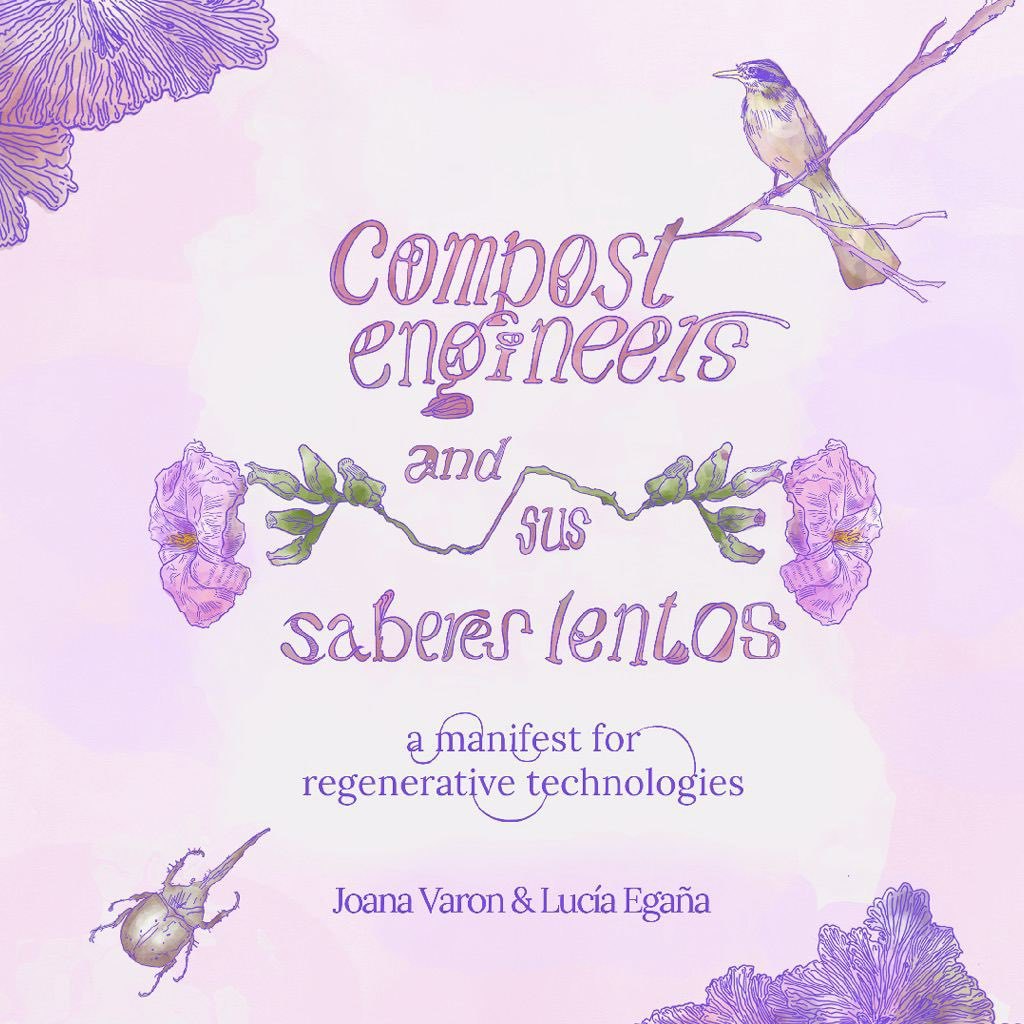
The Compost Engineers and Sus Saberes Lentos

Research

The Compost Engineers and Sus Saberes Lentos

“The Compost Engineers and Sus Saberes Lentos” is an ongoing research project that seeks alternatives to hegemonic conceptions of artificial intelligence, making visible what is erased from decolonial imaginaries when the term “AI” is used. In counterpoint, the research proposes a reconnection with the land and with ancestral technologies that are regenerative for our territories. In 2025, a new article by Joana Varon and Lucía Egaña Rojas, “Compost Engineers and Sus Saberes Lentos”, was published in Branch magazine, written from the manifesto of the same name.

Read the article in Le Monde Diplomatique here.

Platform: Why is Artificial Intelligence a feminist issue?

Platform

Why is Artificial Intelligence a feminist issue?

This is the central question of Not My A.I., an ongoing project that seeks to contribute to the creation of a feminist toolkit capable of questioning algorithmic decision-making systems implemented by so-called Digital Welfare States. Throughout 2025, the project has been present in different spaces, providing inputs for debate and reflection.

Access the platform here.

Project

IA Feminista

In 2025, work began on the IA Feminista project, in partnership with the Feminist Artificial Intelligence Research Network in Latin America and the Caribbean. A call for concept notes was launched with the aim of strengthening viable contributions to address structural challenges such as gender-based violence, sexual and reproductive rights, labor rights, and socio-environmental justice, among others, and thereby build an artificial intelligence ecosystem grounded in feminist principles. Coding Rights joined the project’s operating committee, taking part in an in-person planning meeting in Mexico and contributing to the design and launch of the call’s communication strategy, as well as to the selection of the supported initiatives.

Access the platform here.

Democracia sob pressão

Publication

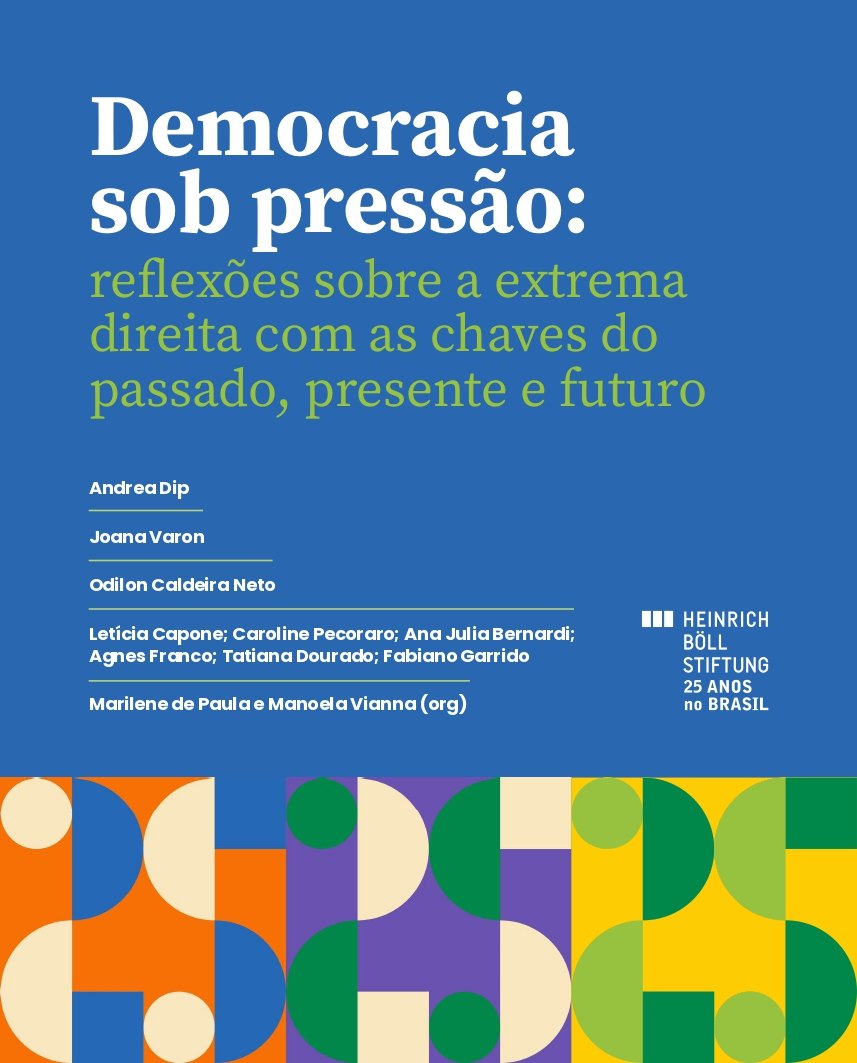
Democracia sob pressão: reflexões sobre a extrema direita com as chaves do passado, presente e futuro

Coding Rights took part in the collective publication “Democracia sob pressão: reflexões sobre a extrema direita com as chaves do passado, presente e futuro”, organized by Marilene de Paula and Manoela Vianna for the Heinrich Böll Foundation. The book maps the ultraconservative wave sweeping across several countries and argues that the moment calls for both deep diagnoses and new strategies to defend human rights and democracy. Coding Rights’ contribution is Joana Varon’s essay “Bilhões de motivos: a convergência das ideologias e imaginários de futuro das tecno-oligarquias do Vale do Silício com o governo Trump”, which calls on civil society to confront the “tech bros” narrative and to make the intersections between human, environmental, and digital rights more visible.

Read the full publication here.

Colonialismo Digital: a nova fronteira da dependência latino-americana

Article in the media

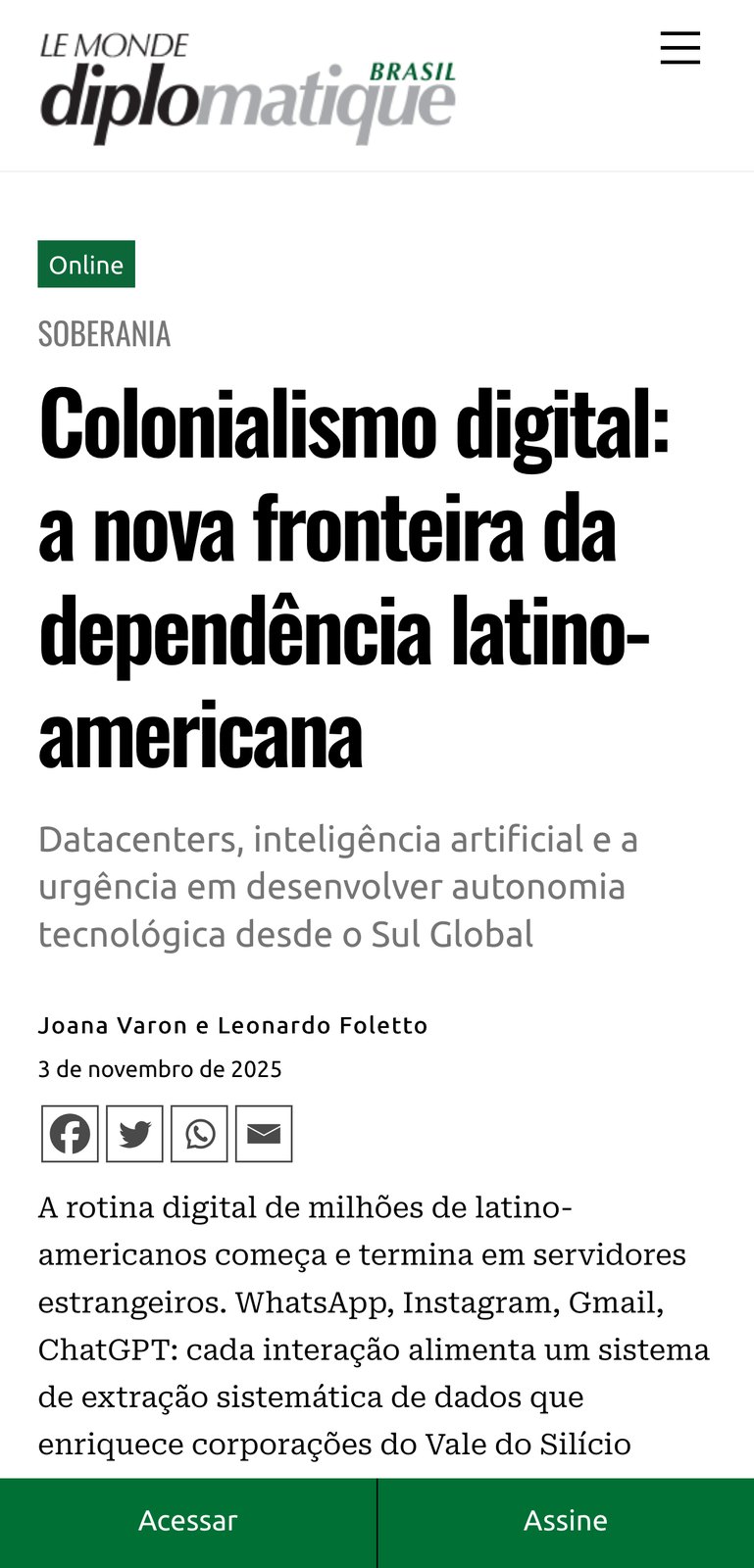
Colonialismo Digital: a nova fronteira da dependência latino-americana

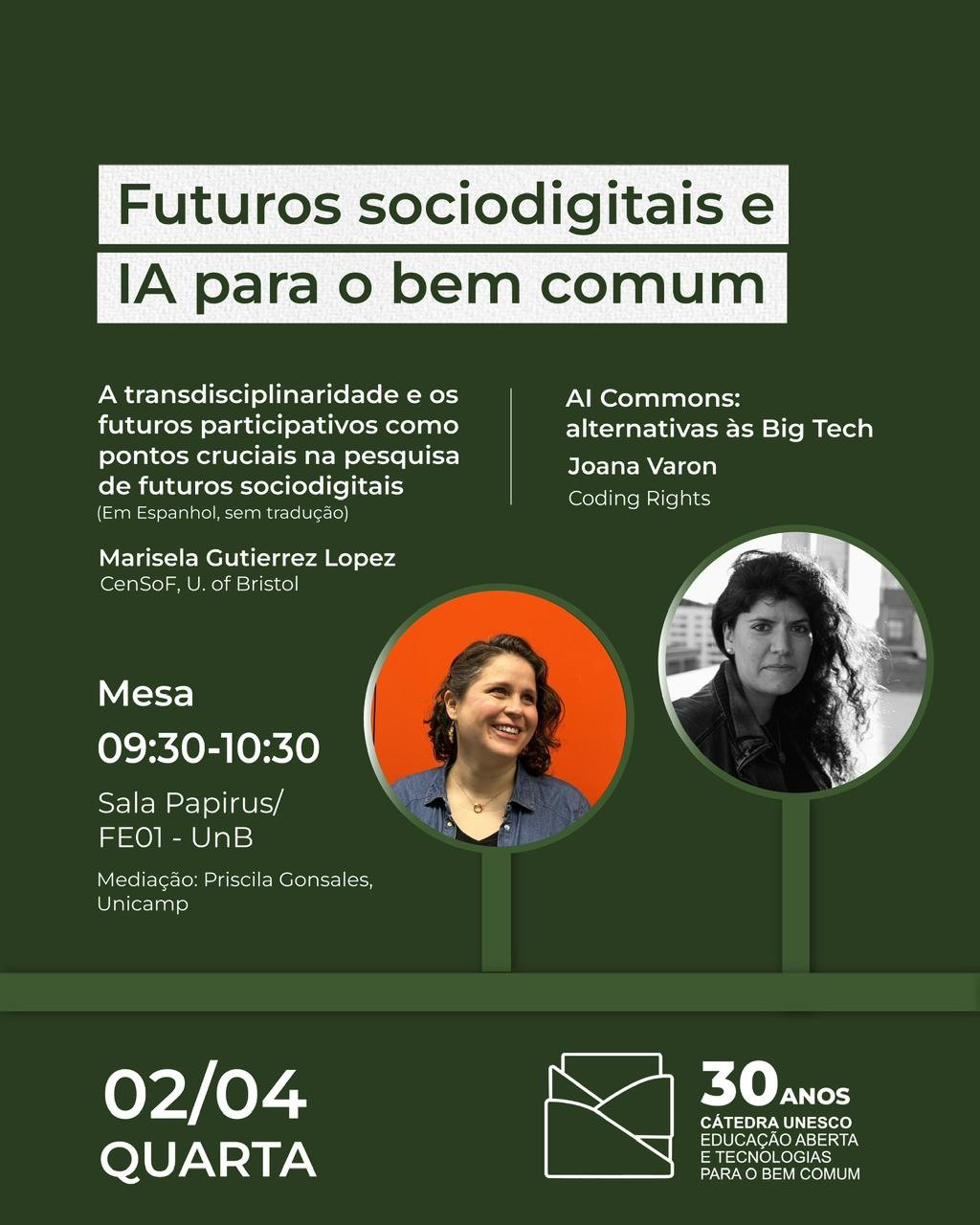
Published in Le Monde Diplomatique Brasil and written in partnership with the Coalition for Digital Rights, this article draws on our policy briefing on Federated AI Commons (G20) to argue that the concentration of data, infrastructure, and computing power in the hands of a few Global North companies constitutes a new frontier of Latin American dependency. In addition, in 2025 we continued to take part in events to share and discuss the policy briefing, including the panel “Futuros sociodigitais e IA para o bem comum”, held as part of the celebrations of the 30th anniversary of the UNESCO Chair on Open Education and Technologies for the Common Good.

Read the article in Le Monde Diplomatique here.

DECOLONIAL FEMINIST FUTURES

Imagination is a political capacity. If the future that reaches us arrives already designed by a few, most often white cis men from the Global North, then imagining otherwise is not escapism: it is how room is made for alternatives that critique alone cannot produce. This area of work treats speculative fiction, collective storytelling, and creative practice as tools for rehearsing technologies built under transfeminist values, grounded in ancestry and in the knowledges of our territories. More than resisting what already exists, it insists on the pleasure and the political force of inventing, together, what could exist.

Una Bolsa de Semillas

Book

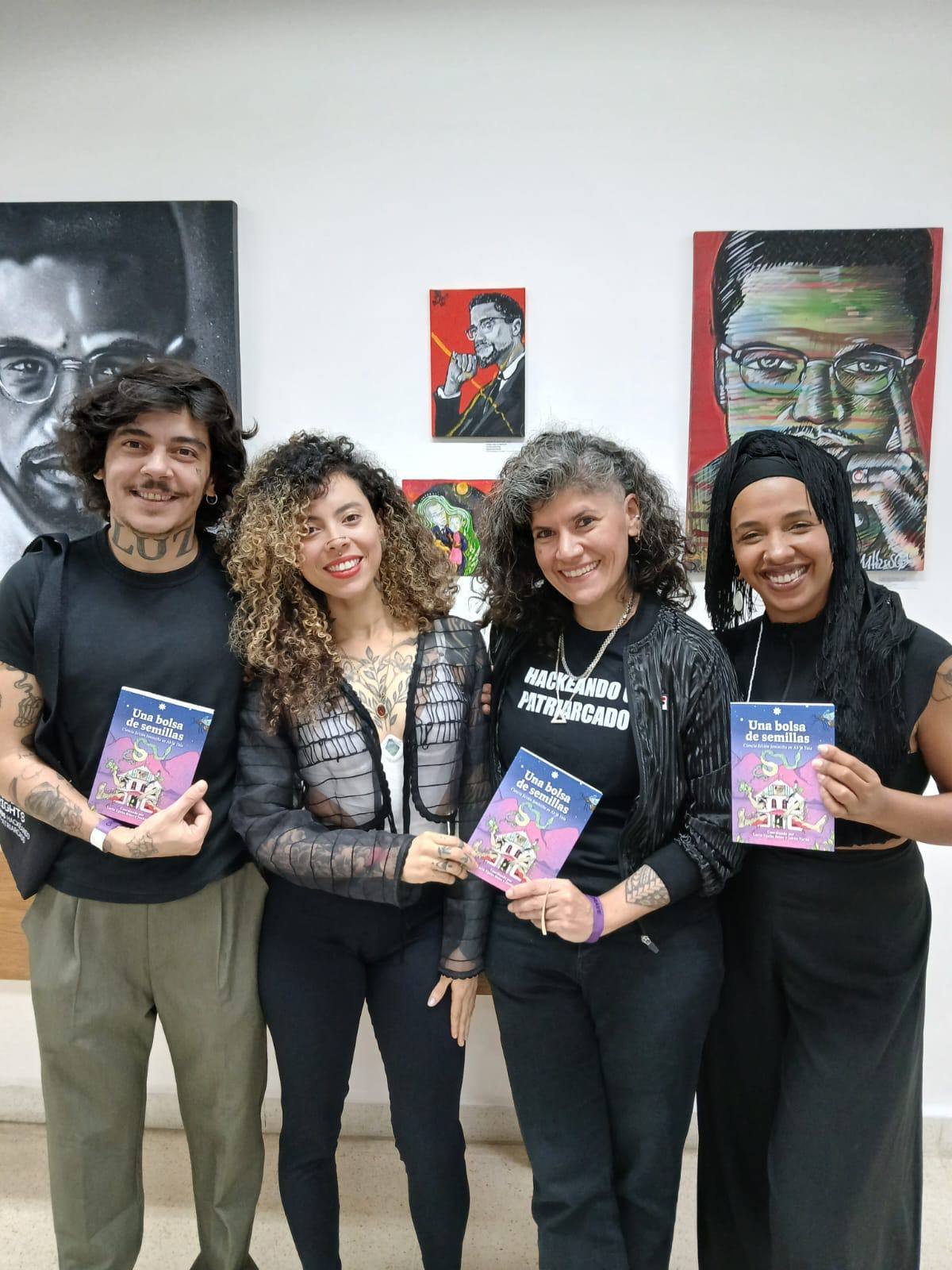
Una Bolsa de Semillas — Ciencia Ficción Feminista en Abya Yala

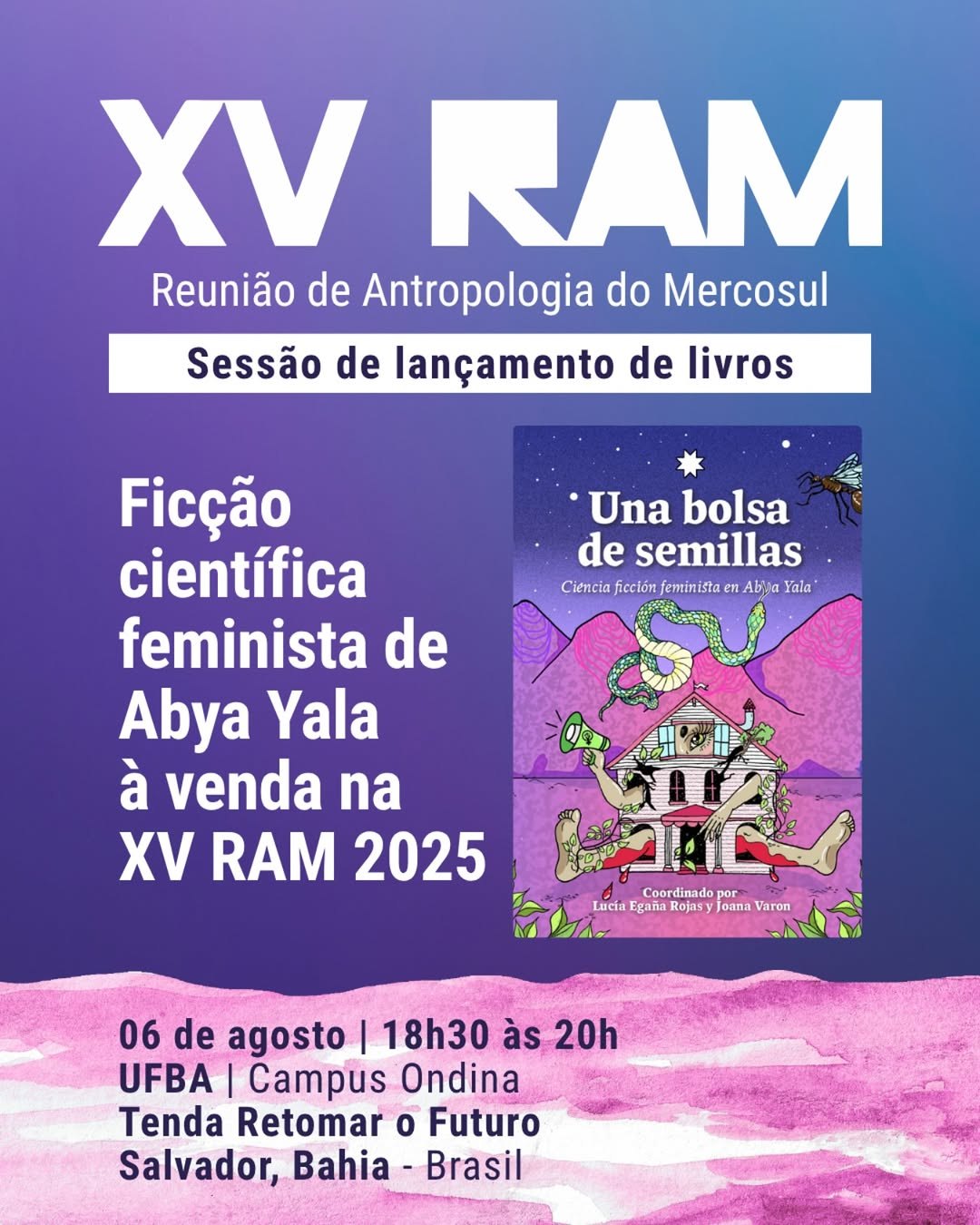
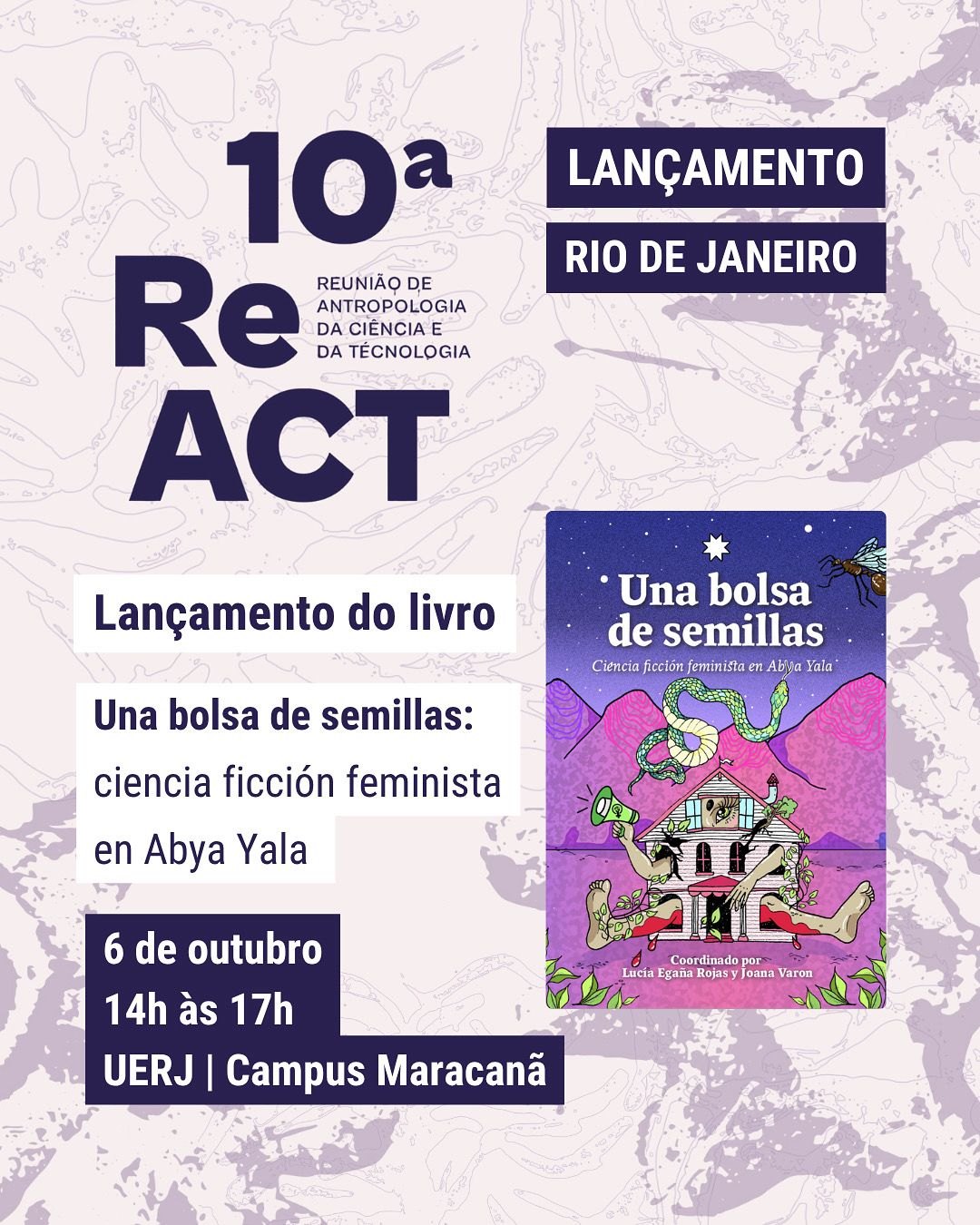
The book “Una Bolsa de Semillas” gathers 11 feminist science fiction stories by artists and activists from Abya Yala, coordinated by Lucía Egaña Rojas and Joana Varon and produced by Coding Rights and Musea M.A.M.I. with support from the Association for Progressive Communications (APC). The texts came out of an open call and eight online meetings held twice a week in October 2024, and are situated in concrete body-territories, with visions of science anchored in the transmission and protection of knowledge in community. The epilogue is by Gabriela Damián Miravete, the cover illustration by Desobediencia Visual and the editorial design by Camila González. With an initial print run of 800 copies followed by another 300, the book was launched at eight events in Brazil, Chile and Spain. It is sold at Alma Negra Librería, in Chile, where it has repeatedly been among the best sellers, and distributed in Spain by Virus Editorial to cooperative and independent bookshops.

Meet the project here.

IMAGINE podcast

Podcast

IMAGINE

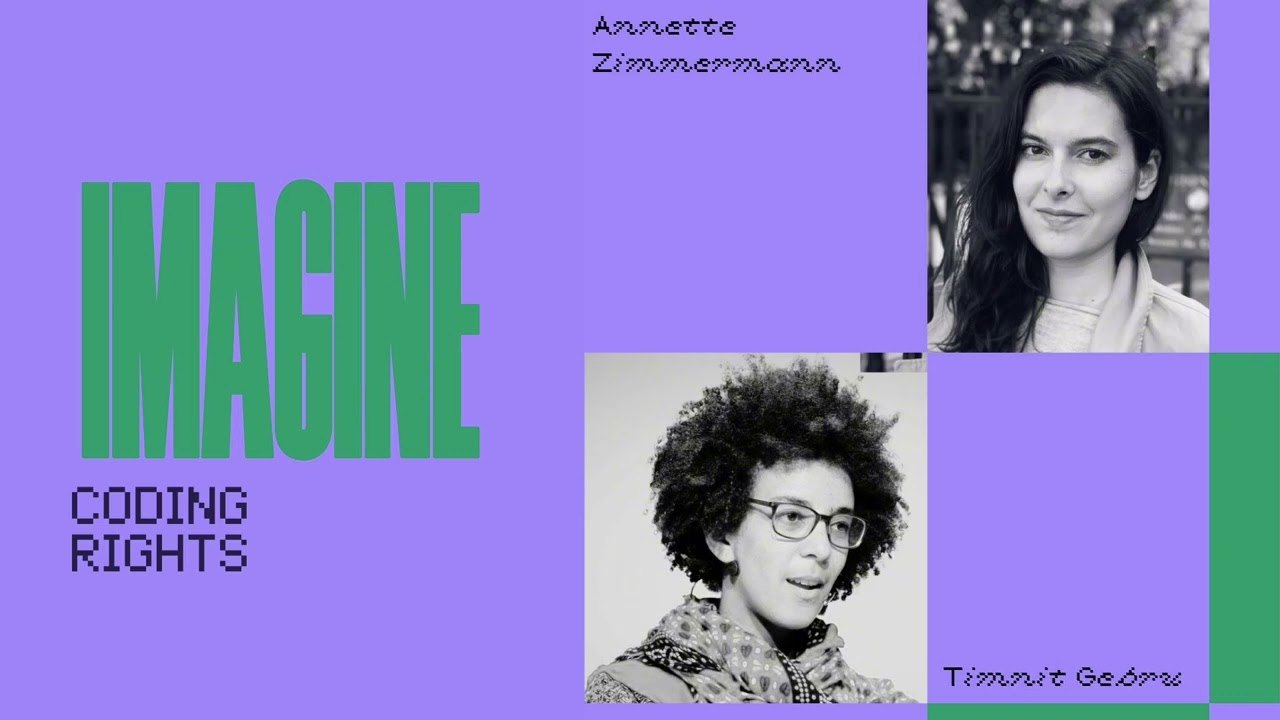
In 2025, the pilot episode of the IMAGINE podcast was released, dedicated to reflecting on the construction of more just technological futures. The episode featured Timnit Gebru, founder of DAIR — Distributed AI Research Institute and an international reference in critiquing corporate practices in artificial intelligence, and Annette Zimmermann, Assistant Professor of Philosophy at the University of Wisconsin–Madison, whose research focuses on the ethics and politics of artificial intelligence. The conversation examines the ideologies shaping segments of Silicon Valley’s leadership and economic elites, analyzing how frameworks such as effective accelerationism and longtermism influence the political engagement of major technology companies and figures, as well as their impacts on global governance and the trajectories of technological development.

Listen to the podcast here.

Platform: the Oracle for Transfeminist Technologies

Platform

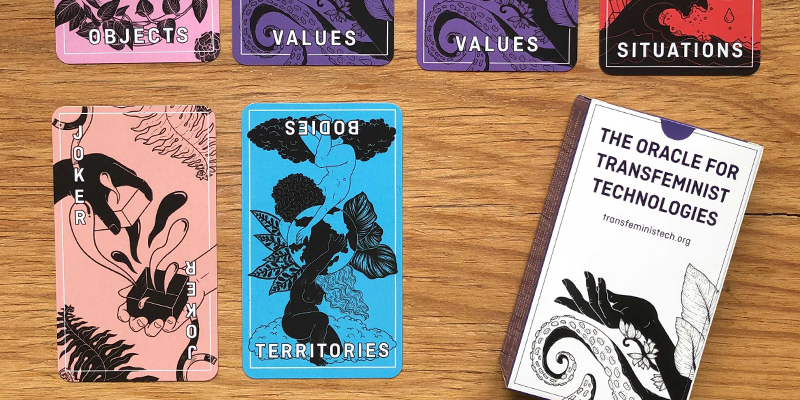
The Oracle for Transfeminist Technologies

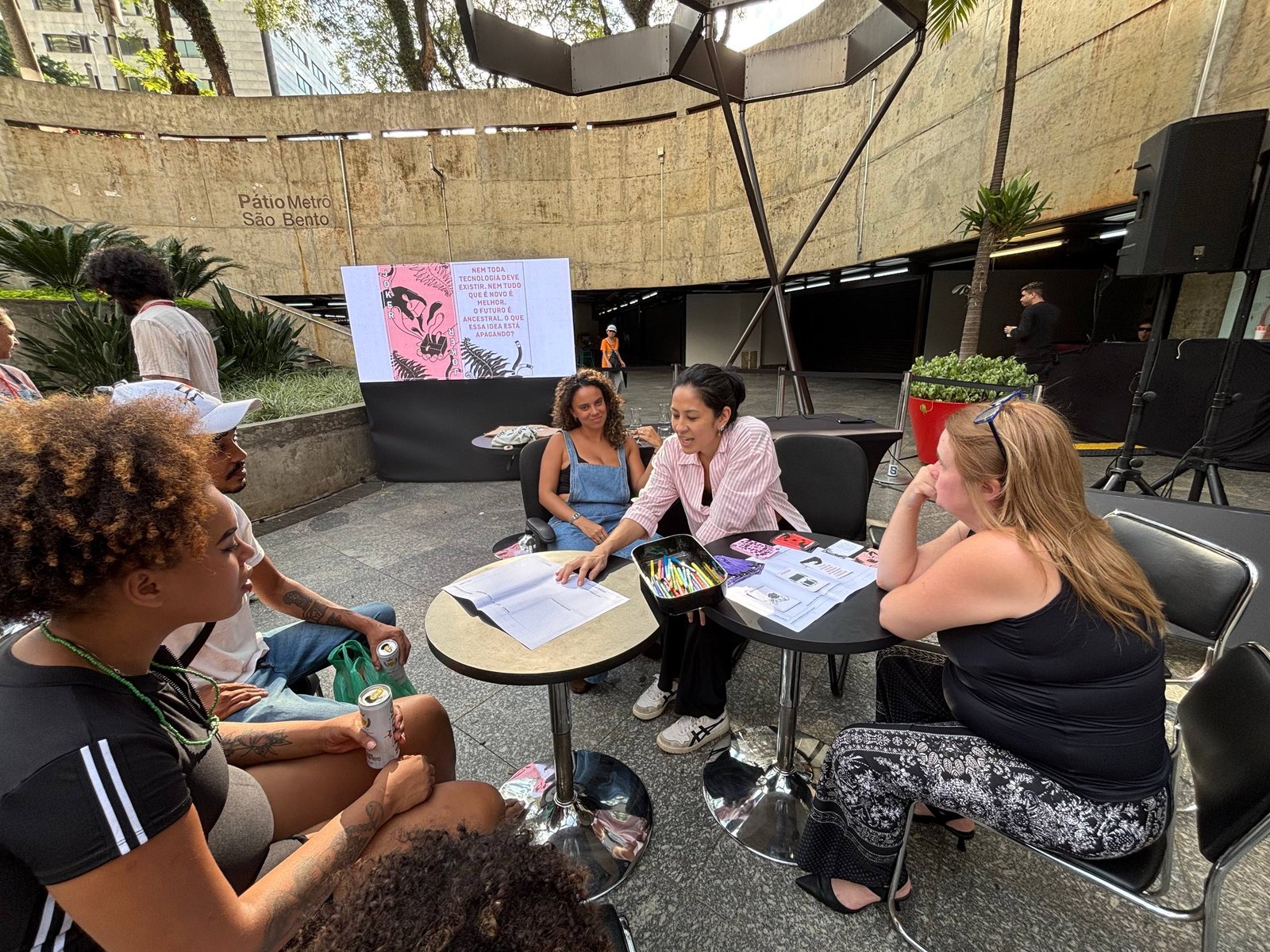
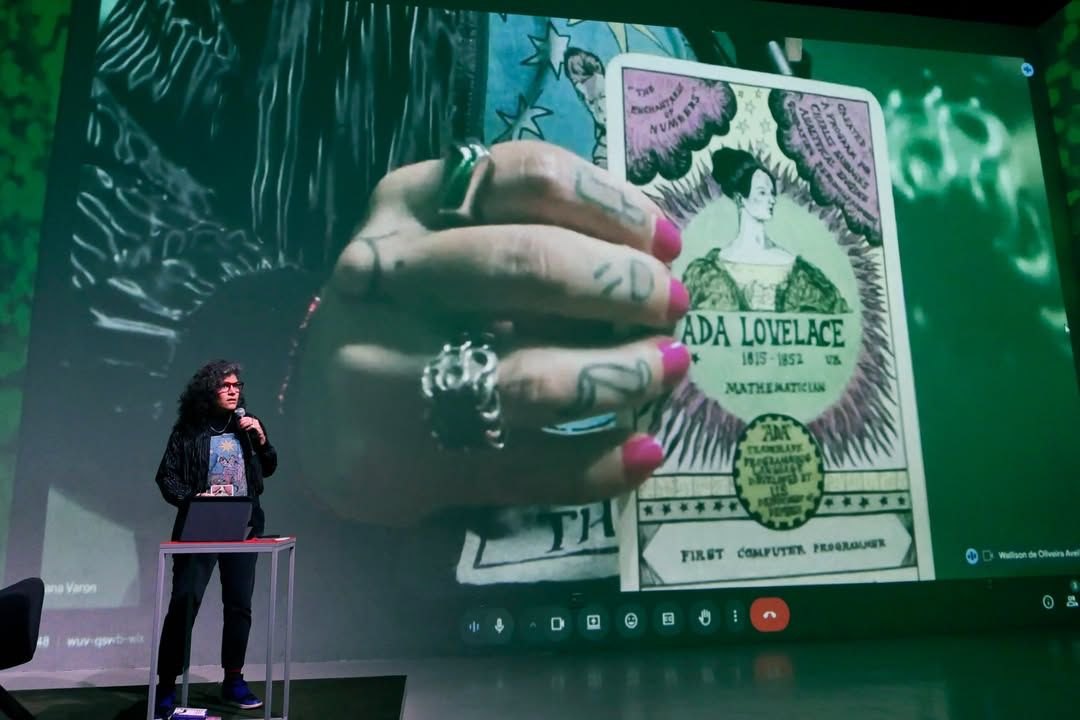
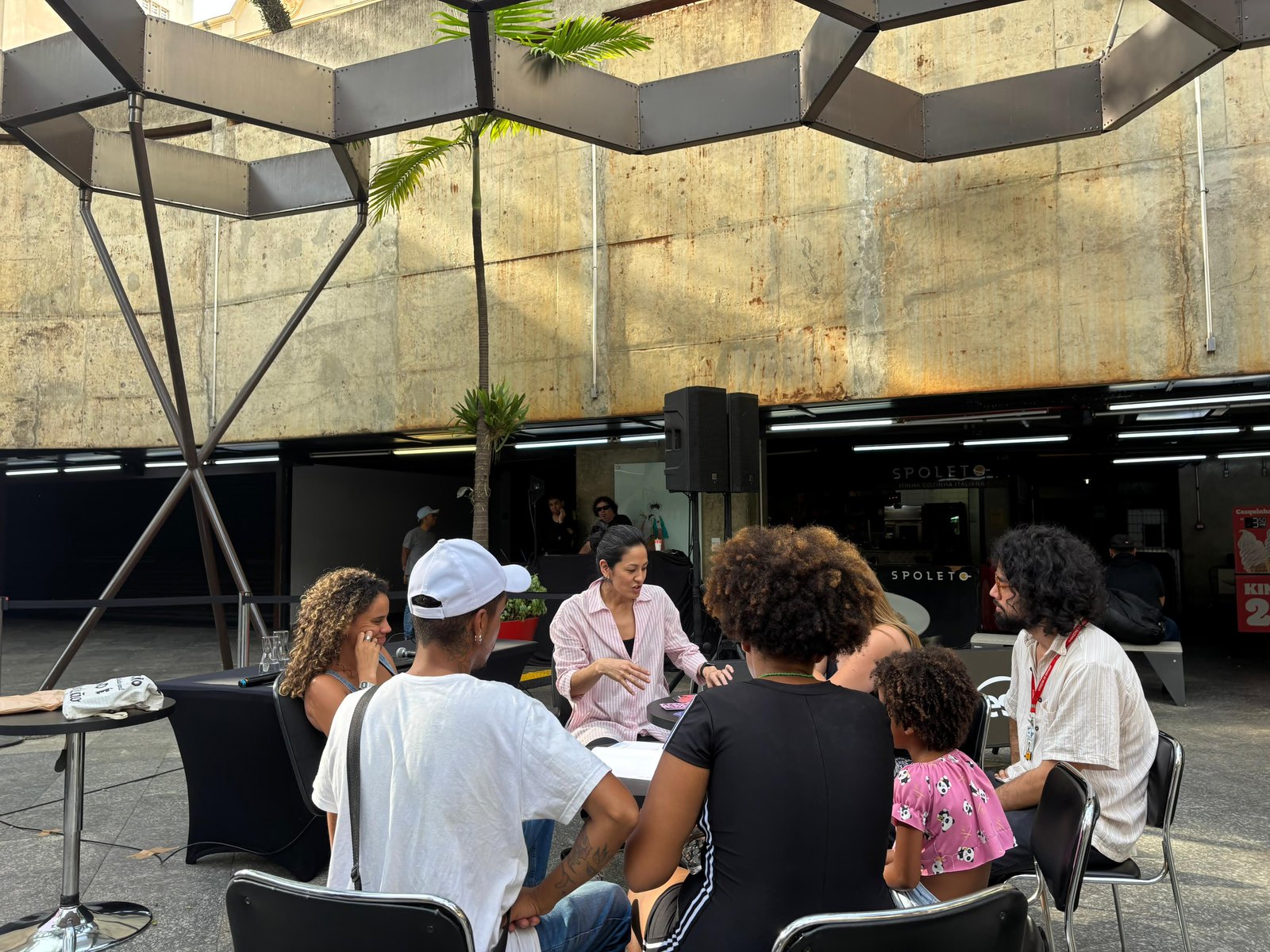
In 2025, we continued using the Oracle for Transfeminist Technologies as a tool for collective imagination and political reflection. We held a workshop in partnership with SESC São Paulo, in a subway station in downtown São Paulo, engaging the general public in conversations about future speculation and technology. In parallel, the development of a new website for the tool is currently underway, aiming to expand access and support its continued use.

Check the platform here.

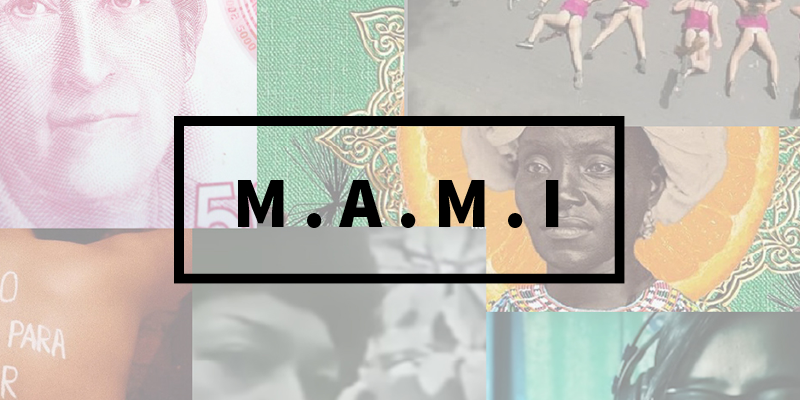
Platform: M.A.M.I. Musea

Platform

M.A.M.I. Musea

A museum from the future, set in 3021 to exhibit pieces of feminist resistance against different forms of patriarchal violences. The idea for this project emerged in a workshop in Santiago, Chile, with a group of feminist artists and activists and support from Hivos. M.A.M.I. Musea is also a partner in the publication of the book “Una Bolsa de Semillas.”

Check the platform here.

MAIN EVENTS, CONFERENCES AND WORKSHOPS IN 2025

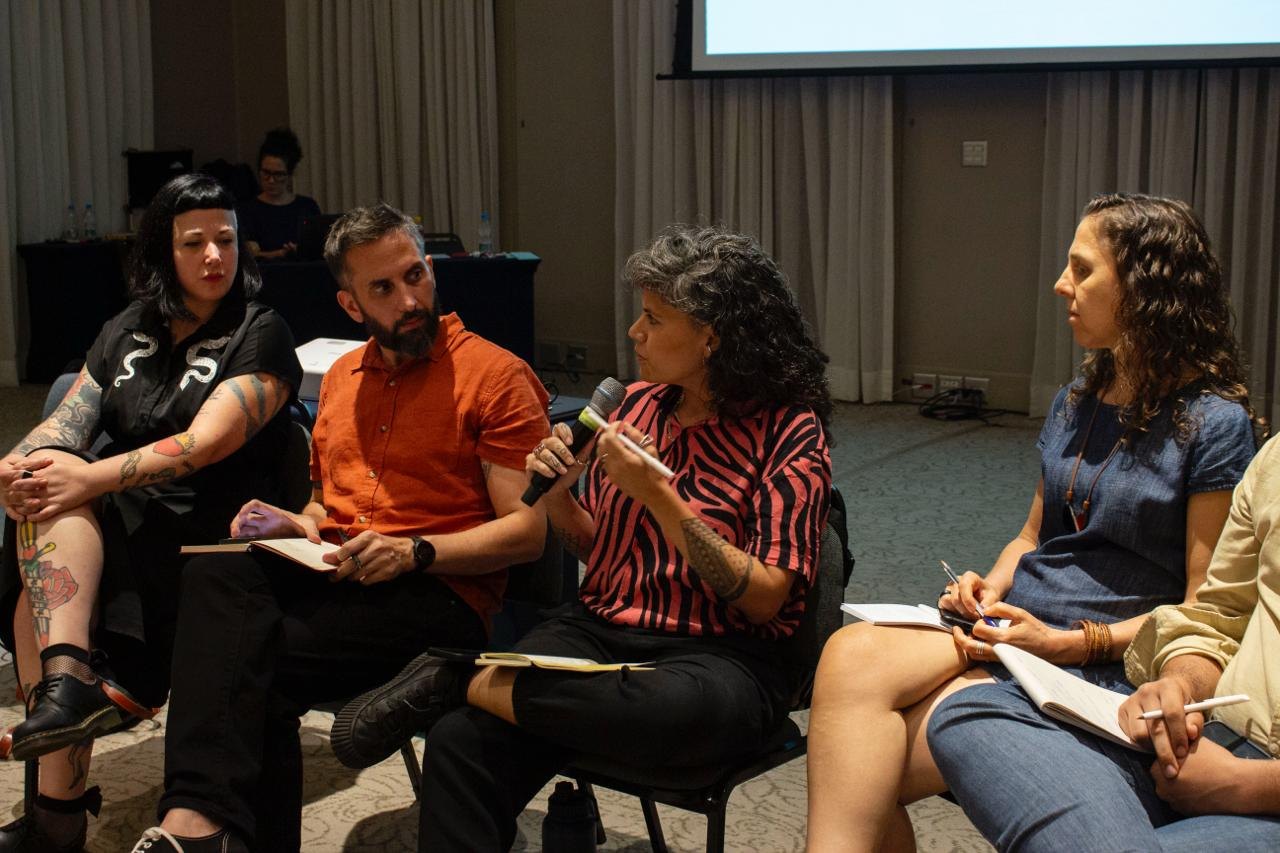
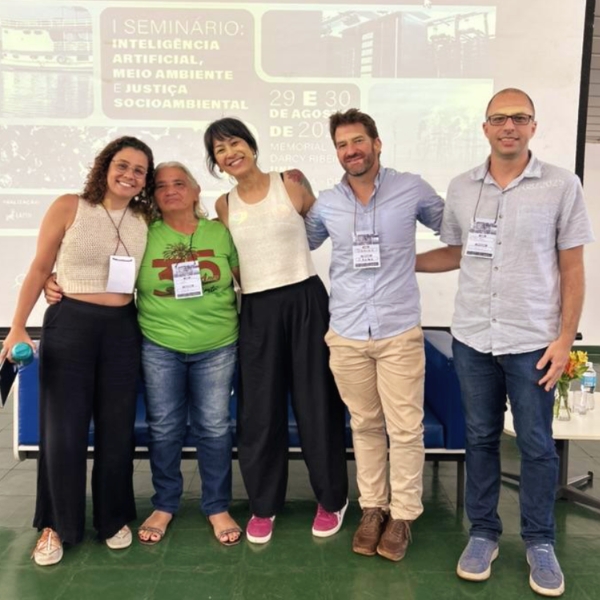
CR team participated in several events, conferences and workshops in Brazil, Latin America and around the world.
<< sidescroll for our highlights >>

media_img

Book launch at Alma Negra Librería y PlataformaSantiago, Chile

media_img

Workshop: Map of the Internet’s TerritoriesIn partnership with SESC Florêncio — São Paulo, Brazil

media_img

Workshop: Map of the Internet’s TerritoriesCasa do Jornalismo Socioambiental, Cúpula dos Povos at COP30 — Belém, Brazil

media_img

“Transição ou transação energética”Cúpula dos Povos at COP30 — Belém, Brazil

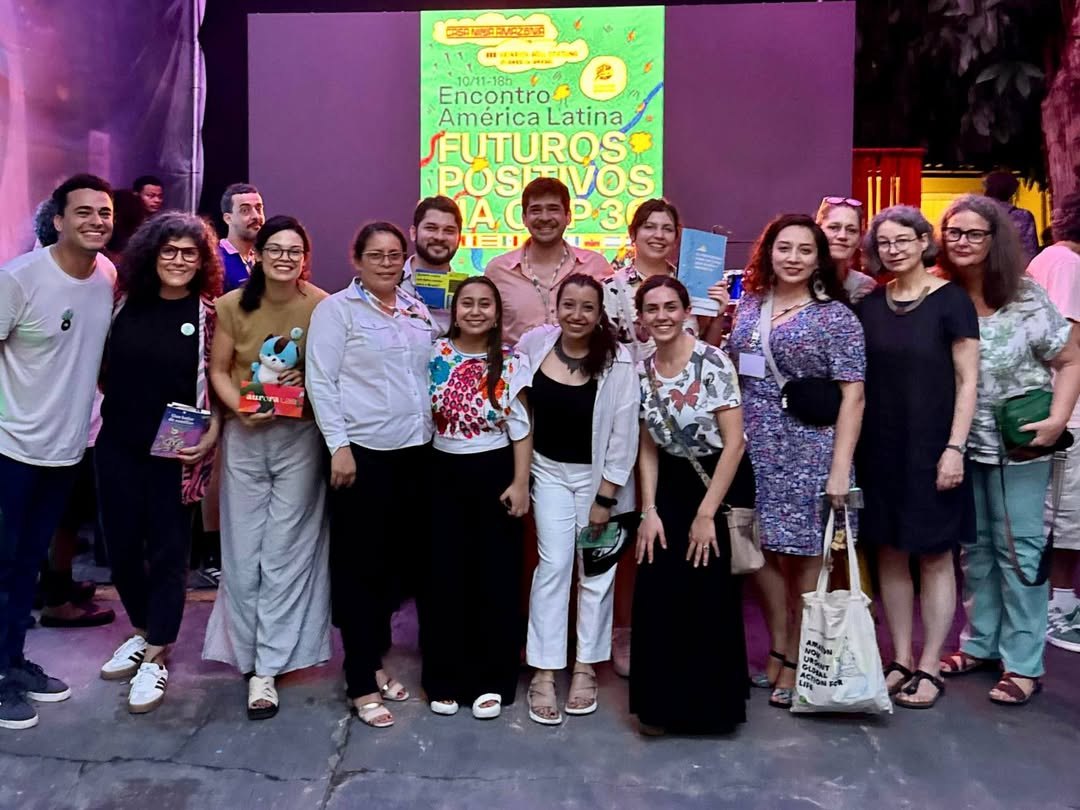
Presentation of the TRAMAS project, with IDECOn the socio-environmental impacts of data centers and AI, COP30 — Belém, Brazil

FINANCIAL IN 2025

    CORE TEAM 2025

    person

    JOANA VARON

    EXECUTIVE DIRECTRESS

    CREATIVE CHAOS CATALYST

    person

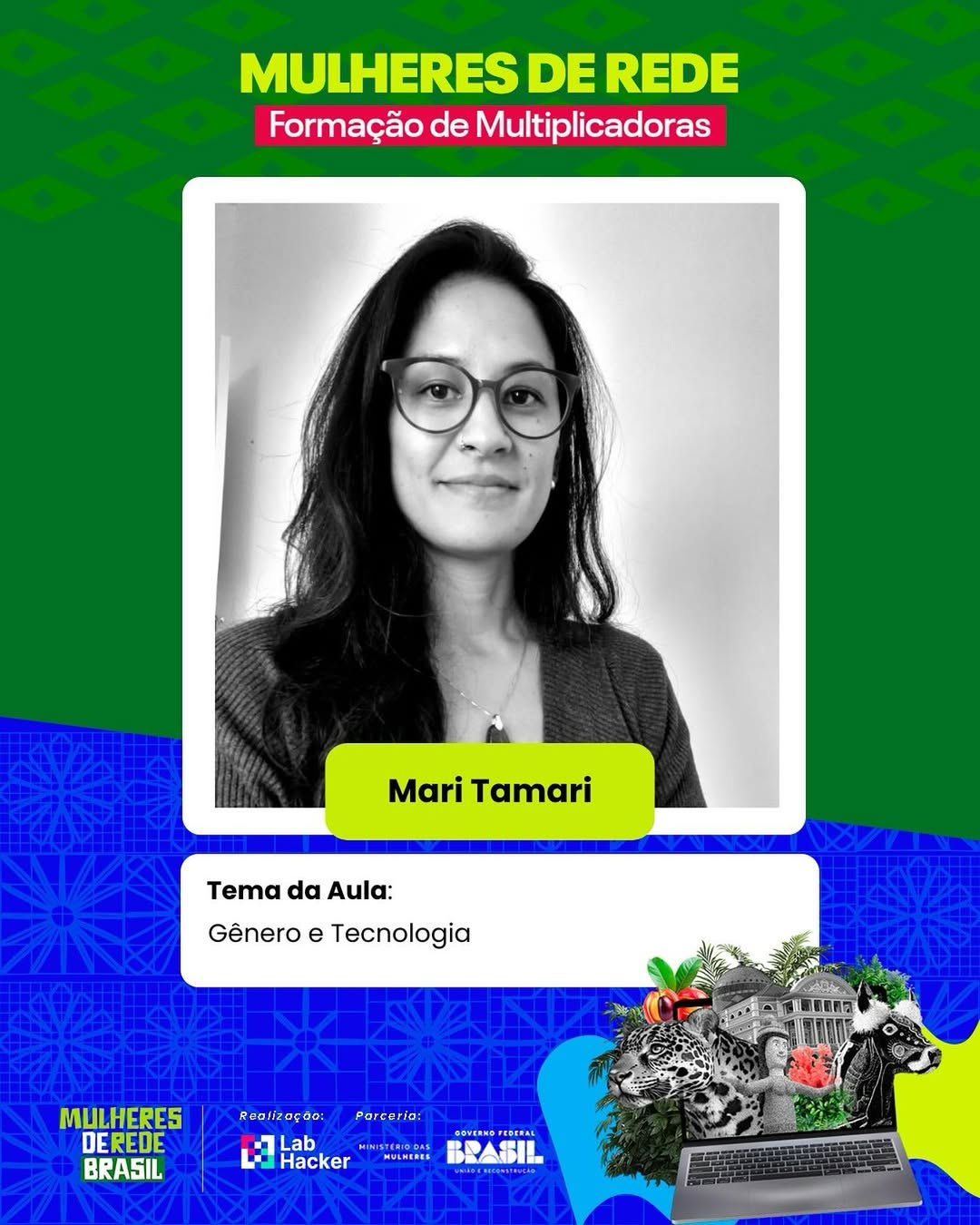
    MARIANA TAMARI

    CO-EXECUTIVE DIRECTRESS

    person

    JULIANA MASTRASCUSA

    COMMUNICATION STRATEGIST

    person

    MAX HOLENDER

    FINANCIAL MANAGER

    person

    MARIA CLARA DELMONTE

    COMMUNITY MANAGER

    person

    LAILA ALMEIDA BRAGA

    SOCIAL MEDIA MANAGER